Threats to our pollinators
The challenges honey bees face — and why they matter.
From invasive mites to environmental stress, multiple factors affect colony survival. Understanding these risks is the first step in protecting pollinators and strengthening our agricultural future.


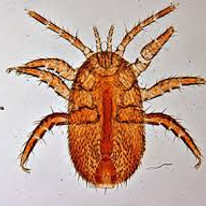
Tropilaelaps Mite (Tropi Mite)
They reproduce rapidly inside capped brood cells and feed on developing larvae, causing deformities, weakened bees, and colony collapse. Unlike Varroa, they cannot survive long on adult bees, making brood interruption a key management strategy. Early detection is critical, as Tropilaelaps can spread quickly and devastate apiaries.
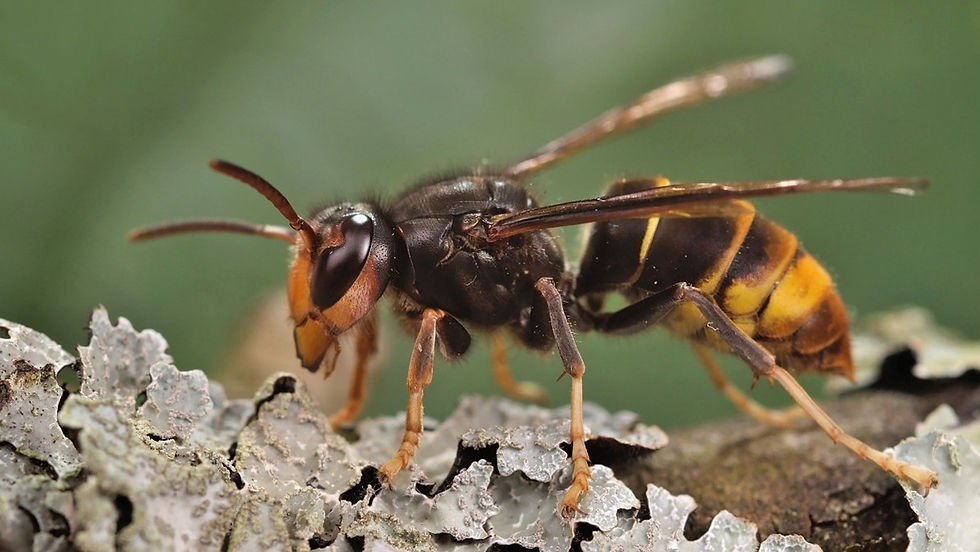
Yellow-Legged Hornet (Vespa velutina)
The Yellow-Legged Hornet is an invasive predator of honey bees.
It hunts returning foragers at hive entrances, creating stress that can shut down colony activity and lead to starvation. Large nests can contain thousands of hornets and pose a serious threat to pollinators and agriculture. Immediate reporting of suspected sightings is essential to protect local beekeeping operation

Small Hive Beetle
Adult beetles invade hives to lay eggs, and their larvae tunnel through comb, consuming brood, pollen, and honey. Infestations can cause honey fermentation, comb collapse, and full colony abandonment. Strong colonies and proper hive management are key to prevention.

Pesticide Exposure
Direct contact with agricultural sprays or contaminated nectar and pollen can cause immediate bee deaths or long-term colony decline. Sublethal exposure affects navigation, immunity, and brood development. Communication between applicators and beekeepers is essential to reduce risk and protect pollinators.
Honey bees depend on diverse, continuous food sources to survive.
Habitat loss, monocropping, drought, and reduced flowering plants can leave colonies without enough nectar and pollen. Poor nutrition weakens immune systems, reduces brood production, and makes bees more vulnerable to mites, disease, and pesticides. Supporting pollinator-friendly landscapes is essential to long-term colony health.
Lack of Forage (Nutritional Stress)

Viruses are a major contributor to colony decline.
Many honey bee viruses, including Deformed Wing Virus (DWV), are spread by Varroa mites. Infected bees may emerge with shriveled wings, shortened lifespans, or weakened immune systems. High viral loads can silently reduce colony strength long before visible collapse occurs. Monitoring mite levels is critical to limiting viral spread.
Viral Diseases

American Foulbrood is a highly contagious bacterial disease of honey bee brood.
It infects developing larvae and produces durable spores that can survive for decades on equipment. Once confirmed, infected colonies often must be destroyed to prevent spread. Early detection and responsible equipment management are essential to protect surrounding apiaries.
American Foulbrood (AFB)
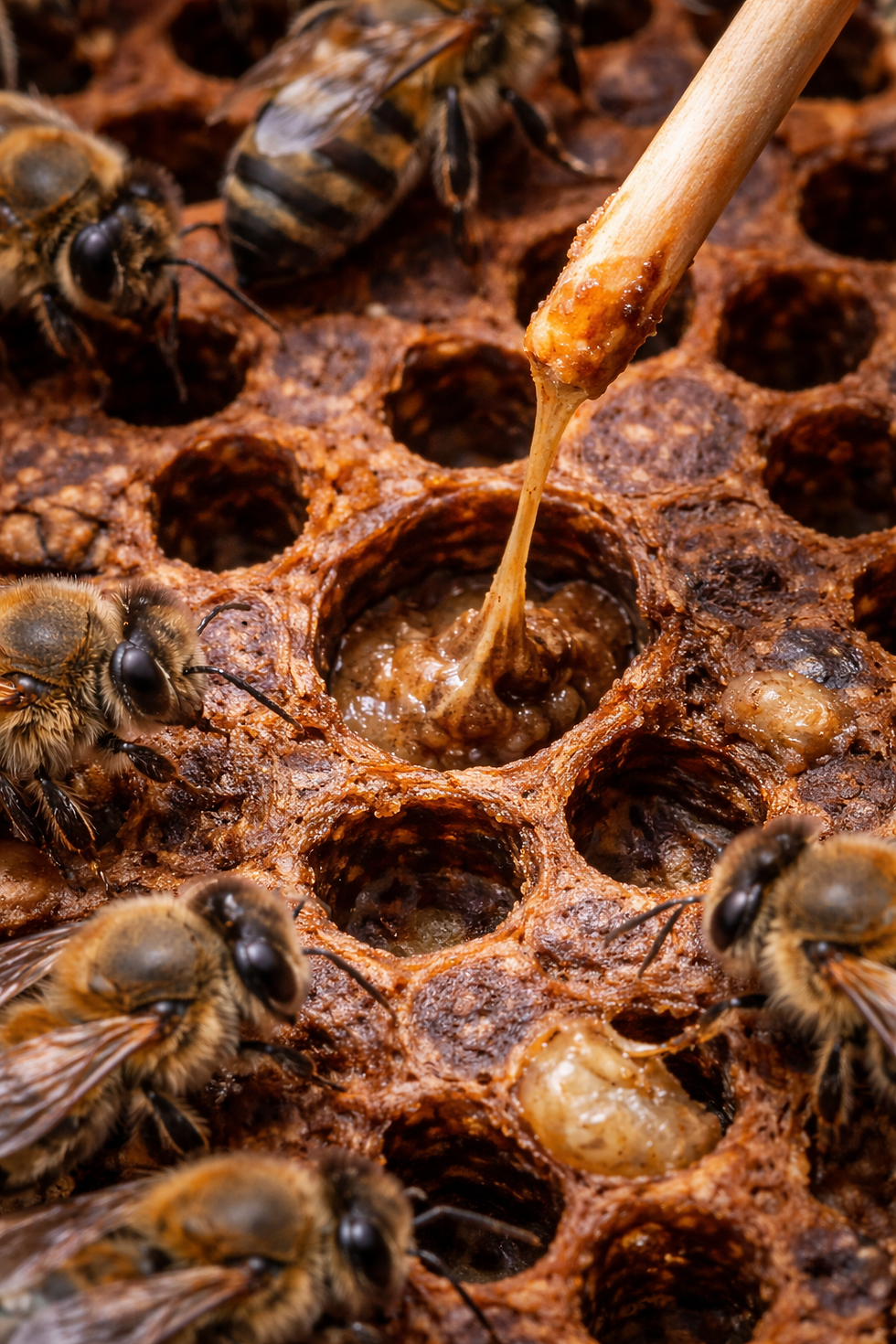
Small Hive Beetles are opportunistic pests that invade honey bee colonies.
Adult beetles enter hives to lay eggs, and the emerging larvae tunnel through comb, feeding on honey, pollen, and brood. Heavy infestations can cause honey fermentation, comb damage, and colony abandonment. Strong colonies, proper hive ventilation, and regular monitoring are key to prevention and control.
Small Hive Beetle (Aethina tumida)
